Are you a football fan that knows way too much about the Premier League? If so, listen in as two self-professed football nerds discuss the good, bad, and downright ugly sides of the footballing world. Whether you’re for Manchester United or Liverpool, Messi or Ronaldo, this podcast is the perfect antidote to the summer off-season blues…you might even pick up a life lesson or two!
It can be hard to truly express yourself in this crazy wild world we live in. In this episode, we uncover the art of creativity by bringing together the experiences of a bunch of hyper-creative souls ✨ We talk pottery, classical music and poetry whilst crafting a tongue-twisting masterpiece of a podcast that will simply be one for the ages!
Curious to check out Val’s amazing ceramics and pottery creations? Then you MUST check out her Instagram page @heyval_ceramics 😍
It’s the battle we’ve all been waiting for…SYDNEY VS MELBOURNE! Sit back and listen in to the CwD squad’s thoughts on which city is best for the typical young professional in their 20s 👩💻👨💻 Cafes vs beaches ☕️🏝 NRL vs AFL 👟🏉 We discuss it all in this HIGHLY anticipated episode to settle this HOTLY contested debate, once and for ALL…
Are you travelling to Sydney or Melbourne anytime soon? Check out this article in the Bloggin’ with Dylan section of our website for a list of great apps to have on your phone when travelling! ✈️📱🤳
With international borders opening up once again, it’s fair to get curious about exploring a new city or country. In this inspired rendition of one of the greatest battles of ALL TIME, we discover what makes these two great American cities so special. Whether you’re a potential tourist, student or dream-chaser, this podcast is bound to hype you up for an unforgettably amazing visit! ✨
Are you travelling to New York or Los Angeles anytime soon? Check out this article in the Bloggin’ with Dylan section of our website for a list of great apps to have on your phone when travelling! ✈️📱🤳
Ever wish you could go back in time and act as an older brother/sister to yourself? Well…CwD is bringing this unlikely scenario to life 😱 Join our convo as some good friends laugh about all the moments and mistakes that made up their early adulthood, whilst dishing out some sage advice on how to flourish in this crucial life stage!
Software vs Data: Analysing which is the BEST career choice! 🤓 –
Chillin’ with Dylan
Ever wondered what the massive fuss about BIG DATA is all about? AND/OR, are you pondering a move into the world of software development? Quite possibly our nerdiest EVER podcast to date, join the chat as three overly (un)qualified ‘engineers’ talk about their careers in these HIGHLY lucrative fields…
Not sure whether to embark on a career within a startup or corporate environment? Check out Chillin’ with Dylan’s podcast about startups vs corporates to gauge what suits you more!
‘Tis the season to be eating dumplings and calling relatives! 📲🥟🥳 But what makes this time of year so special for BILLIONS of people around the world?? Tune in as a pair of 1st/2nd generation Kiwis dive into their unique personal experiences of this most wonderful cultural celebration… 🎉🧧🐉
As 2021 draws to a close, it’s a timely reminder that a little thing (tiny, actually) called Covid-19 has caused all sorts of trouble in the world for almost TWO years now! 🦠😷😱 The CwD Squad takes a short trip down memory lane to recap all that has happened in these highly interesting times, and will even attempt to make some BIG predictions for 2022…
Have you ever wondered what it would be like working in a different environment? It’s natural to get curious sometimes, so today’s podcast delves deep into our career journeys as we unpack what life is REALLY like in these two disparate worlds. Join us as we chill out to the tune of some candid and unique reflections in this unmissable episode!
A collection of essential travel apps, along with tips on how to use them to travel like a pro! 😎
So you’ve done it, the flight for your overseas trip is finally booked! Accommodation, transport, money, itinerary, packing – all these now need to be sorted and planned for.
But what about packing of the virtual kind?
I’m talking about the tools you need on your phone, which in almost all cases is going to be your most important travel item. It’s always better to be more prepared than not before you head off, and with this list you’ll have all the bases covered when it comes to travelling like a pro!
1. Wise
Every traveller knows the feeling of being in a foreign country needing cash and having to exchange money at a place that charges exorbitant fees. The most robust solution to this or any other money problem while travelling is Wise.
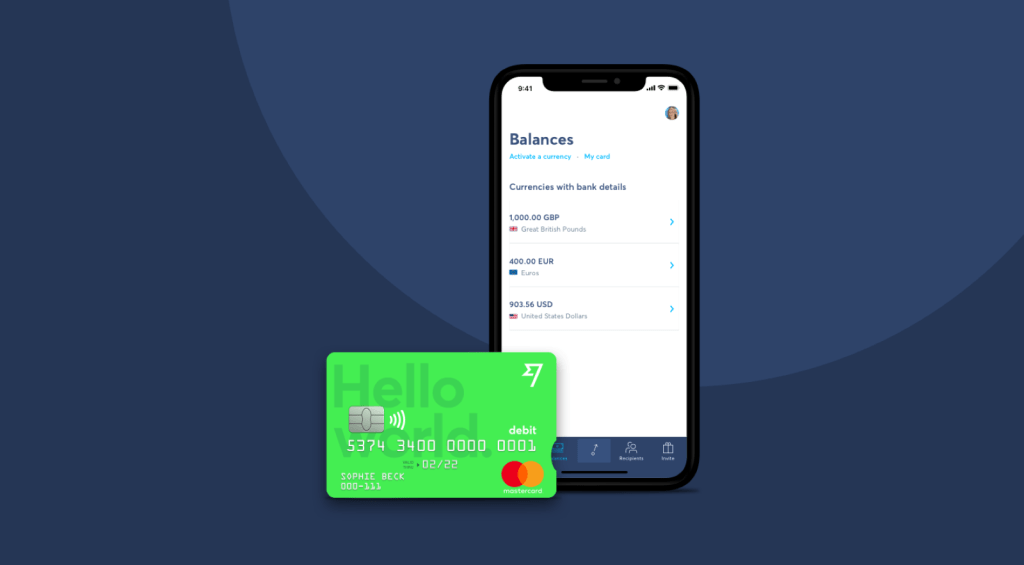
Once you create a Wise account, you’re able to receive a debit card which can hold pretty much any currency you’ll likely use around the world. This little green gem will be accepted at any retailer or ATM that accepts Mastercard. The app allows you to easily transfer NZD to your balance, which will be automatically converted into a country’s currency when you make a transaction there.
The debit card costs NZ$14 to set up, but the best thing is that all the currency conversion fees are extremely low. No matter what currency, you’ll get it at around 0.5% to 1% of the current market exchange rate. Compare that to many other common travel debit cards and currency exchange stores which take a 3% to 5% cut on top of the market rate, and you’re looking at a whole lotta savings stacking up!
There are no fixed transfer fees that banks often charge for money exchange, so you aren’t forced into exchanging loads of money at a time. Offshore service margins don’t exist in Wise’s dictionary either. You get $350 worth of international ATM withdrawals per month for free if done in two withdrawals or less. If you’re living or studying abroad, Wise is extremely useful and cheap for transferring money to overseas bank accounts. You’ll save a few bucks off your first transfer if you sign up through this link.
2. Klook
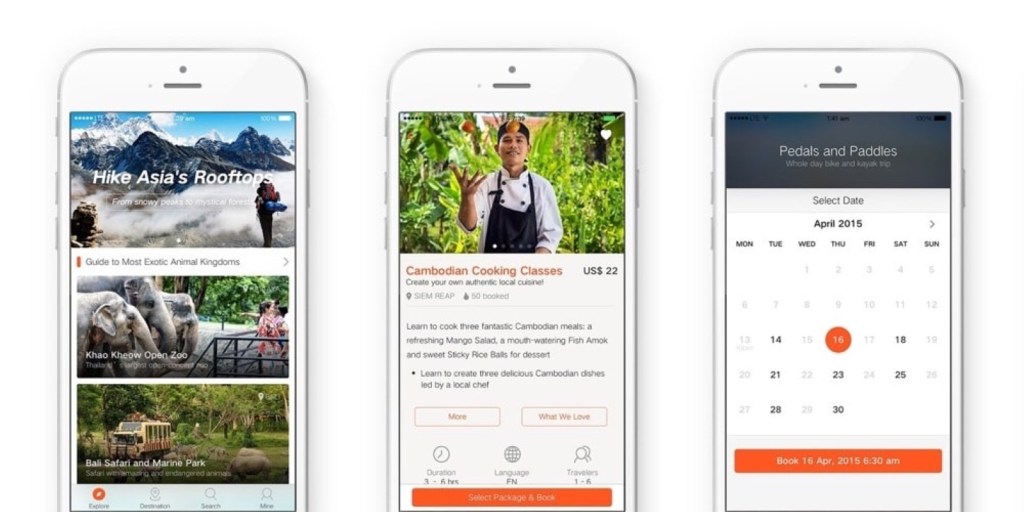
As far as all-round travel apps go, Klook has to be number one based on the quality and range of their travel deals. From tours to transportation, famous attractions to hidden experiences, chances are that you’ll be able to find a deal cheaper than advertised on the standard websites. Klook’s deals cover the majority of common travel destinations around the world, but its presence is especially strong in Asia so it’s a must-have if you’re going anywhere in that region.
The one thing I find especially useful with Klook is booking a SIM Card to pick up upon arrival at the airport of a new country. I, along with countless others I’m sure, can admit to spending hours roaming the airport or streets of a foreign country resorting to hand gestures in order to figure out where the nearest SIM provider is. With Klook, all you need to do is search up a SIM Card deal and book it in advance. As with most other things booked through Klook, you’ll get a mobile voucher sent to you which can be redeemed at the provider.
Pre-booking your SIM Card allows you to seamlessly sort out your data access before you even step foot out of the airport, saving you valuable time for more actual travel! Most SIM Cards overseas will be cheaper and provide way more data than your standard roaming plan from a NZ provider, so you’ll have more reason to post 50 IG stories a day like you’ve always wanted 🤩
An additional bonus is that completing reviews of your Klook bookings can earn you around $1 to $2 off your next booking. The savings can definitely add up quite nicely! This also means that everyone has an incentive to complete thorough reviews, making your booking decisions much easier to make. You’ll also get around $5 off your first booking with Klook if you sign up through this link.
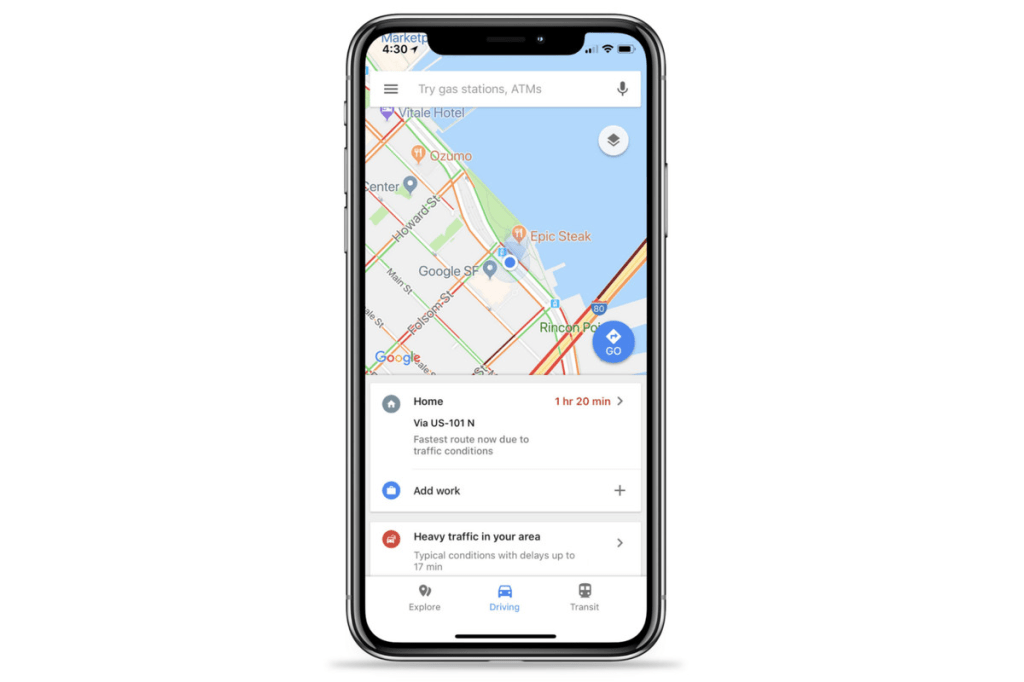
One of the few constants when travelling is the need for good quality directions. If you are anywhere close to being directionally challenged, then Google Maps is a MUST-HAVE for sure! It is a one-stop shop for everything from public transport timetables to restaurant locations and reviews.
One of the most useful features I find when travelling overseas is the ability to download and save maps for any city or location in the world. This is especially helpful when you don’t know whether you’ll have internet access on your phone. No matter where you are, you’ll always have access to the real basic location details at the very least. Also good for saving any limited data on phone plans you might be on over there! Another great way to use Google Maps is scouring an area for interesting activities and attractions. The number of unexpected gems I’ve found over the years just randomly looking through the map is pretty astonishing. Sometimes it really helps you get off the beaten track a bit to explore places that are just that extra bit of special. You’d be surprised at how many relatively unknown scenic viewpoints you’ll find… 😉
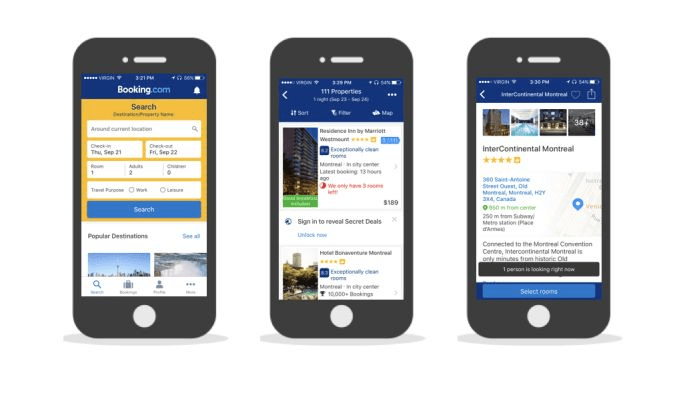
If you’re looking for a reliable, all-round accommodation booking app then look no further than Booking.com. As the name suggests, booking hotels and other types of accommodation can be done with ease in this app. There is a wide variety of options available, including some cheaper hostel accommodation for the more budget traveller out there. Many places allow for bookings with free cancellation, so if your trip doesn’t go to plan you won’t have to worry about paying for accommodation you don’t use!
The best thing about Booking.com is that there’s a myriad of ways to get discounted accommodation deals. Firstly, just using the mobile app allows for savings through mobile-only discounts offered by some providers. Other providers also offer cashback or Booking.com credit for choosing to stay with them. Finally, frequent use of Booking.com will automatically make you a Genius member, which provides even more discounts on most bookings. A hot tip is to book loads of cheap hostels when you first start using the app to quickly load up on enough stays to achieve Genius status, then use the Genius discounts on any expensive hotel you wish to stay in!
When travelling in a country that speaks a different language, you are bound to run into a situation where a frustrated tourist runs around shouting at locals: “DO YOU SPEAK ENGLISH?!!” If the locals are unable to speak another country’s language, the onus is on you to find a way to communicate with them. Even if someone tells you they had no trouble using English in a foreign country, in general you cannot assume every local can speak it well, especially if you end up in a place less populated by tourists. Be prepared when going anywhere and download a translation app!
Google Translate is one of the best apps out there as it can translate almost every language you could possibly encounter. It has an offline translation feature where you can download all the translations for a language pair and use it even without internet access. Another great feature is the camera translation tool. In countries that use character systems which aren’t based on roman letters as in English, your best bet is to take pictures of signs, menus or whatever else you can’t understand and let Google Translate figure it out for you!
Mind you, I wouldn’t trust all the translations 100% either! You are usually fine when translating sentences between English and languages which use the same or similar alphabet systems, but with many languages you can also run into horrible miscommunications just due to differences in grammar or context. To preserve accuracy, in general I’d say the more different the language looks compared to English, the shorter the length of phrases or sentences you should enter into these kinds of translation apps.
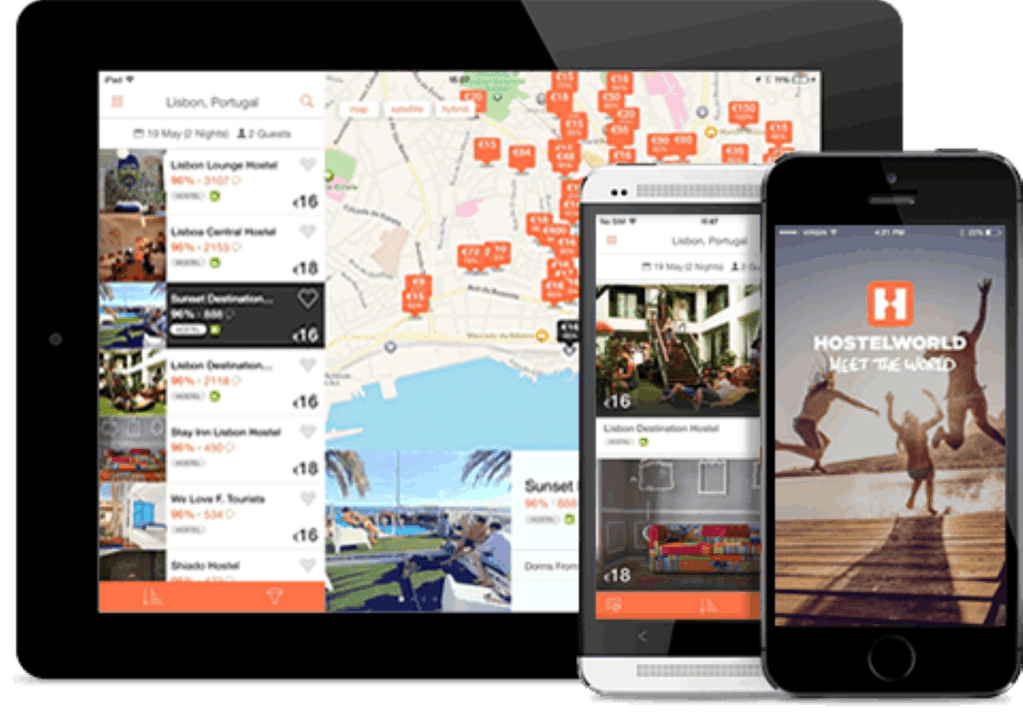
Chances are, most of us aren’t exactly rolling around in money all the time, so it can pay to be a bit budget-conscious while travelling. While it may be nice to go for a 5-day holiday in Fiji staying at a 5-star resort, for most people the hotel life may not be realistic if you’re travelling in Europe for weeks or months at a time. In these circumstances, Hostelworld is your best friend!
Shared dorm rooms can cost as little as $5 or $10 per night in some countries, but can get up to $30 to $40 per night in the most expensive countries. With much lower prices than other accommodation options, you definitely have to set your expectations to match that. It’s a good idea to thoroughly look through reviews on Hostelworld and pick a place that’s rated relatively highly for its price. When you make a booking you’re only required to pay a small deposit, with the rest being paid once you check-in. Most hostels will have an option to cancel freely should your travel plans end up changing. Some hostels are also very social, offering events to meet other travellers from around the world! If you end up in a hostel that has free walking tours for a city, DO IT, as those things are incredible value for time.
The best thing about Hostelworld is that it can be used to find accommodation in virtually every country in the world. Many backpackers who live the hostel life often decide where to stay on a whim, so there is pretty much always a steady supply of spaces at hostels. For instance, if your flight gets cancelled at 9pm and it’s the last of the day, you can still hit up the Hostelworld app and make a last-minute booking for the night. Unexpected situations can always occur at any time when travelling and it’s a wise move to be prepared for anything!
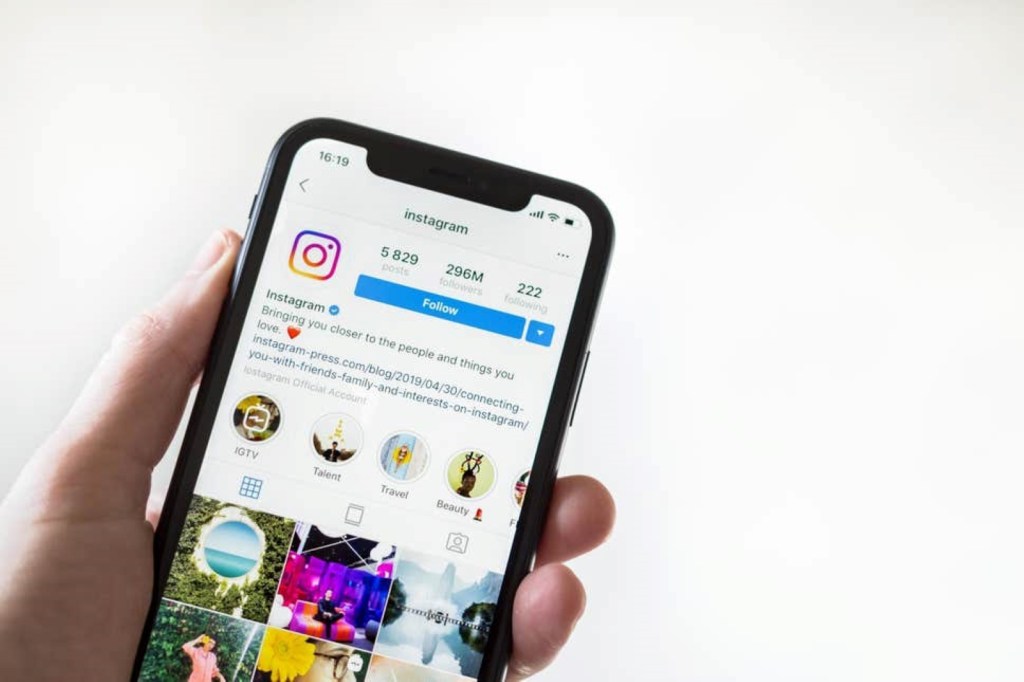
Is InstagramREALLY a travel app?? Well, yes and no. Sorting out finances, travel deals, accommodation and foreign communication is great, but did you really go on holiday if you didn’t post it on the ‘gram?
Instagram gives you more of an excuse to take plenty of photos and videos of the amazing things you see overseas. Whether you’re in those photos or not doesn’t matter as much as the memories you’ll leave behind for yourself when you look back on your youthful exuberance years decades down the line…And don’t feel too ashamed if you have a slight urge to strike about 100 silly poses in front of absolute strangers or to mimic David Attenborough’s voice as you film a video observing locals at a noisy market. You’ve obviously spent some serious money on booking your trip, you might as well have as much fun as you can while you’re there right?
Instagram stories are an especially great way to document your daily travels, and you can be as creative as you want about it! My number one advice for absolutely lit travel content is to try think of a cool caption before you even lift the camera. It can make capturing that perfect photo or video all the more fun, and gives you way more of an incentive to actually post it afterwards! We all know that ONE person who makes their first travel post FIVE YEARS after the trip saying #takemeback, and I just want to say there’s nothing wrong with that because I am very guilty of this myself 😦
Even for those of us who are less prone to living out our best digital lives in front of others, there can be many benefits of using Instagram for travel. With so many great travel influencers out there posting really amazing photos and videos, it’s a fantastic tool for researching the must-do things on your itinerary. Just be careful not to set your expectations too high as many photos are heavily-filtered and some famous Instagram locations are just spots where people figured out some cheeky photo tricks!
Speaking of travel inspo, if you’re keen to find out more about cool places to visit, check out @aroundtheworldin80posts on Insta! I heard a pretty cool guy who’s travelled to over 50 countries is running this travelgram 🙂













 Chillin’ with Dylan